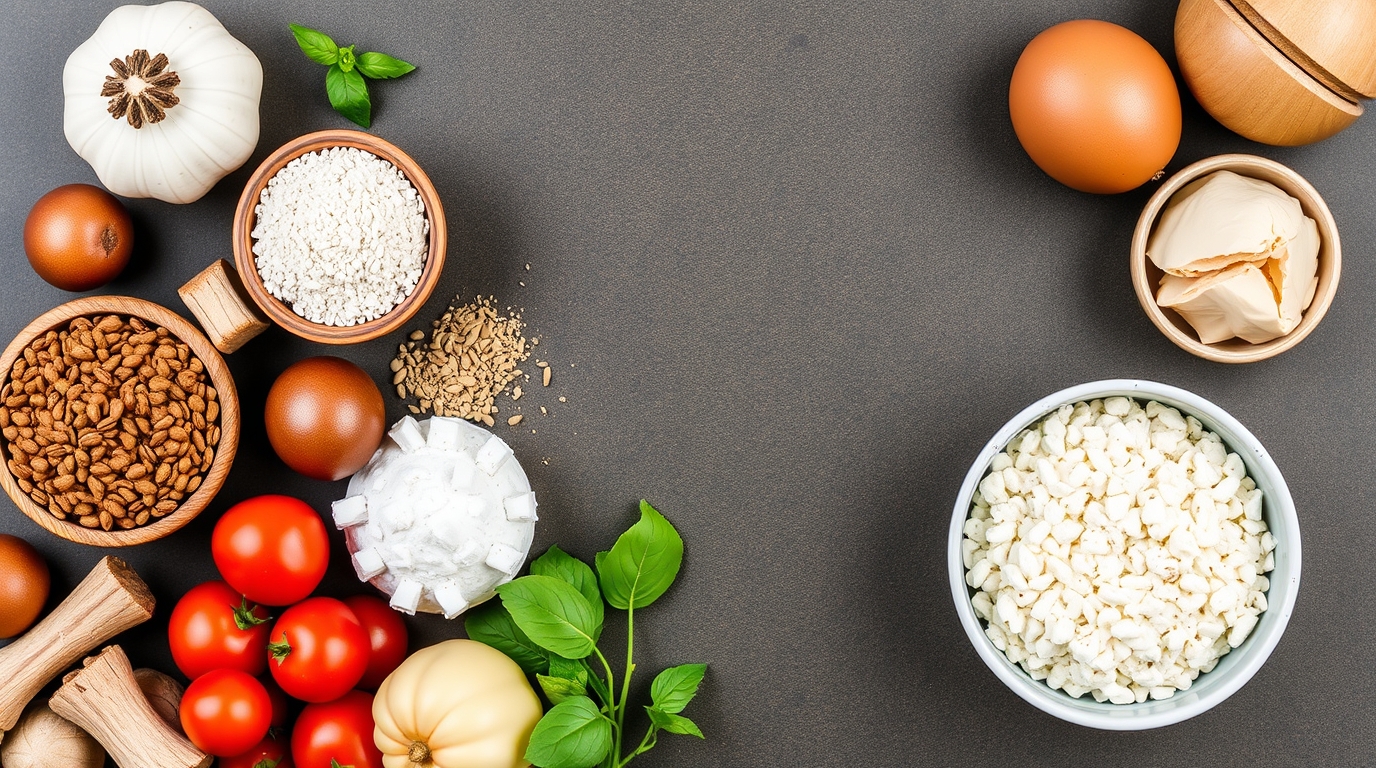
Glutinous rice flour, often mistakenly called 'sweet rice flour,' is a pantry staple in many cuisines. It's celebrated for its unique texture and ability to create delightfully chewy dishes. This guide will delve into all aspects of glutinous rice flour, from its origins and cooking methods to its nutritional value and how to use it in your kitchen.
1. History of Glutinous Rice Flour:
Glutinous rice, and by extension, glutinous rice flour, has a rich history deeply rooted in East and Southeast Asian cultures. It's believed to have originated in Southeast Asia and has been cultivated for thousands of years. The term 'glutinous' refers to the sticky, glue-like consistency when cooked, not its gluten content (it's gluten-free!).
Throughout history, glutinous rice has been a staple food, used in both savoury and sweet dishes, and often plays a significant role in cultural and religious ceremonies. It's highly valued for its versatility and the distinctive texture it imparts to foods. From Japanese mochi and Chinese tangyuan to Thai khao niao (sticky rice), its presence is felt in countless traditional recipes across Asia.
2. Cooking Techniques:
Glutinous rice flour has unique properties that require specific cooking techniques to unlock its full potential.
How to Cook Glutinous Rice Flour (General Overview):
Glutinous rice flour doesn't require the same direct cooking as wheat flour. Generally, it's used as a thickener or, when combined with liquid, transformed into doughs, batters, or puddings.
How to Prepare Glutinous Rice Flour for Cooking:
- Thickening sauces: Gently whisk the flour into cold liquid (water, milk, stock) until smooth to avoid lumps. Then, gradually heat the mixture, stirring constantly, until it thickens.
- Making dough: Combine the flour with water (or other liquids like coconut milk), kneading until a pliable dough forms. The ratio of flour to liquid will vary depending on the recipe. Be aware, glutinous rice flour doughs tend to be sticky.
Baking with Glutinous Rice Flour:
Glutinous rice flour can be used in baking, often in combination with other flours to add chewiness and moisture. It's especially popular in gluten-free baking.
Other Cooking Techniques:
Glutinous rice flour isn't usually grilled or sautéed directly on its own. It's most commonly used within recipes, often in the process of creating other components (e.g., a mochi ball that may then be grilled or fried).
3. Ingredient Preparation:
Preparation for glutinous rice flour is minimal. Unlike fresh ingredients, it does not require cutting, peeling, dicing or mincing.
4. Storage:
Proper storage is essential to maintain the quality of glutinous rice flour.
How to Store Glutinous Rice Flour:
- Short-term: Store in an airtight container in a cool, dry place (like a pantry) away from direct sunlight and moisture.
- Long-term: For extended storage, consider storing it in the freezer in an airtight container.
Shelf Life:
- Pantry: Properly stored, glutinous rice flour can last for 6-12 months beyond its best-by date, if the original packaging is unopened. Once opened, use within 6 months for best quality.
- Freezer: Frozen glutinous rice flour can be good for up to a year or more, but check for freezer burn and the best way to use it is to remove the bag from the freezer, allow to come to room temperature and sift before using.
5. Substitutions:
Finding a substitute for glutinous rice flour depends on the recipe's purpose. Remember, these substitutes won't replicate the exact chewiness and texture of glutinous rice flour.
- Rice Flour: Can be used as a substitute, however the dishes won't be quite as chewy
- Tapioca Starch: If you need a thickening agent, tapioca starch can work.
6. Nutritional Information:
Glutinous rice flour is primarily composed of carbohydrates and provides a good source of energy. It's a gluten-free option.
Glutinous Rice Flour Nutrition Facts (per 100g):
- Calories: Approximately 350-380 kcal
- Carbohydrates: 75-85g (primarily starch)
- Protein: 6-8g
- Fat: 1-2g (negligible amount)
- Fibre: 1-2g
- It also contains some vitamins and minerals, though not in significant quantities.
Health Benefits and Considerations:
- Gluten-free: A safe option for individuals with coeliac disease or gluten sensitivity.
- Energy source: Provides readily available carbohydrates.
- High Glycemic Index: May cause a rapid spike in blood sugar levels, so consumption should be moderate, particularly for those with diabetes or insulin resistance.
7. Pairing:
Glutinous rice flour's neutral flavour profile makes it incredibly versatile. It pairs well with a wide variety of ingredients, especially in sweet dishes. Savoury applications are often paired with ingredients common to the regional cuisine.
- Sweet pairings: Coconut milk, red bean paste, fruit (mango, strawberries, etc.), chocolate, nuts, and sweet sauces (e.g., palm sugar syrup).
- Savoury pairings: Meat, seafood, vegetables, soy sauce, and umami-rich seasonings.
8. Cleaning and Washing:
Glutinous rice flour requires no cleaning or washing. It's processed and packaged in a way that requires no further processing.
9. Ripeness and Seasonality:
This section is not applicable. Glutinous rice flour is a processed product, not a fresh ingredient that has a ripening stage or is seasonal.
Facts You May Not Know
- Despite the name, glutinous rice flour is gluten-free. The 'glutinous' refers to its sticky texture when cooked.
- It is a key ingredient in many traditional Asian desserts like mochi, tangyuan, and nian gao.
- Glutinous rice flour is a versatile ingredient used for thickening sauces, making noodles, and adding chewiness to baked goods.
- The flour's unique texture is due to its high amylopectin starch content, leading to its characteristic stickiness.
- Glutinous rice flour is available in most well-stocked supermarkets or Asian grocery stores.
FAQs
No, while both are made from rice, they are different. Rice flour is made from long-grain rice and results in a smooth flour, while glutinous rice flour is made from a specific type of sticky rice and creates a chewy texture.
Can I make glutinous rice flour at home?Yes, you can. You'll need glutinous rice grains. Soak the rice, then dry and grind it into a fine powder using a high-powered blender or food processor. However, commercially produced flour is often ground to a finer consistency.
What happens if I use regular rice flour instead of glutinous rice flour in a recipe?You will likely get a different result. The dish will lack the characteristic chewiness and stickiness of glutinous rice flour. The texture will be different.
How can I tell if my glutinous rice flour has gone bad?Check for any signs of spoilage such as off-odours (e.g. musty or sour), discolouration, or the presence of insects. If the flour clumps excessively, it may have absorbed moisture and be past its best.
Does glutinous rice flour contain any allergens?The flour itself is gluten-free and is generally safe for those with gluten sensitivities or celiac disease. However, it can be processed in facilities that also handle other allergens. Always check the packaging and label for allergen information.