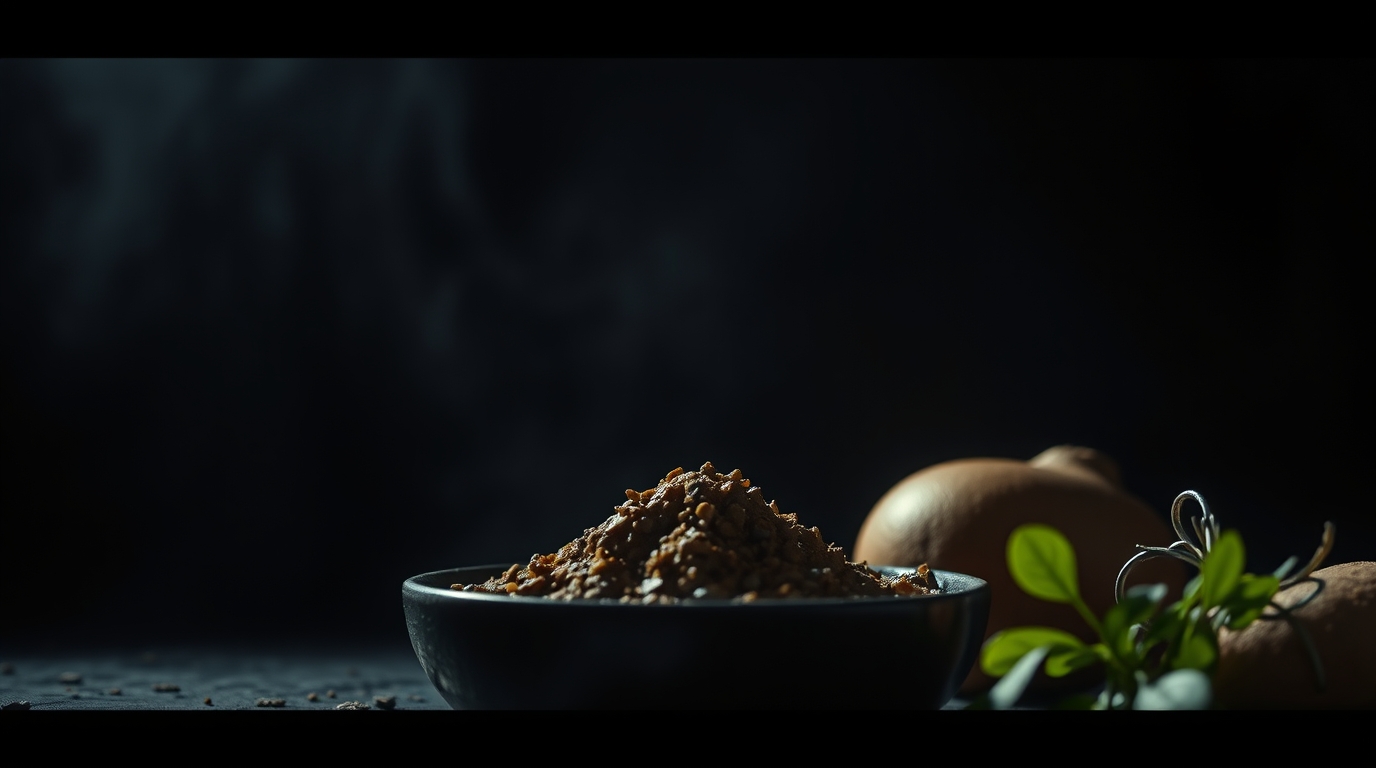
Monk fruit, also known as luo han guo, is a fascinating and increasingly popular natural sweetener. Unlike refined sugars and artificial sweeteners, monk fruit offers a naturally sweet taste with zero calories. This guide will delve into the history, culinary uses, nutritional benefits, and practical applications of monk fruit, helping you incorporate this versatile ingredient into your life.
Monk Fruit: The Sweet Secret of the East and Your Kitchen
1. History of Monk Fruit:
Monk fruit (Siraitia grosvenorii) originates from the mountainous regions of southern China and northern Thailand. Its name comes from the Buddhist monks who first cultivated it centuries ago, primarily for its medicinal properties and, of course, its sweet taste. Historically, monk fruit was highly valued for its ability to alleviate coughs and sore throats and was often used in traditional Chinese medicine. The fruit itself is a small, round melon that is typically dried before use. Its use has been documented for over 1000 years in traditional Chinese medicine, and only more recently in the West.
2. Cooking Techniques:
While monk fruit itself isn't cooked like a vegetable or fruit, its extract is used as a sweetener in various cooking techniques. It's incredibly versatile and can be used in both hot and cold applications.
-
How to use Monk Fruit (General Overview): Monk fruit sweetener comes in various forms, including granulated, liquid, and powdered. It can replace sugar in almost any recipe. Start with a 1:1 ratio (monk fruit to sugar) and adjust to taste as it can be sweeter than sugar. Pay attention to the manufacturer's instructions, as the sweetness level can vary between brands.
-
How to prepare Monk Fruit for cooking: There's no preparation needed for the sweetener itself. Simply measure the amount required for your recipe.
-
How to use Monk Fruit in Baking: Monk fruit works wonderfully in baking! Substitute it for sugar in cookies, cakes, muffins, and more. You might notice a slightly different texture depending on the recipe, but you can often mitigate this by adding a touch of moisture.
-
How to use Monk Fruit in Beverages: Monk fruit is ideal for sweetening coffee, tea, smoothies, and other beverages. It dissolves readily and provides a clean, sweet taste without adding calories.
3. Ingredient Preparation (For recipes using monk fruit):
- Measuring Monk Fruit Sweetener: The key step is to accurately measure the monk fruit sweetener according to your recipe or taste preference. Start with a 1:1 ratio of monk fruit to sugar and adjust accordingly.
4. Storage:
- How to store Monk Fruit: Store monk fruit sweetener in a cool, dry place away from direct sunlight and heat. This is typically in a cupboard or pantry.
- How long does Monk Fruit last? Properly stored, monk fruit sweetener can last for up to 2 years after the production date, though always consult the 'best before' date on the packaging.
5. Substitutions:
- What are good substitutes for Monk Fruit: Good substitutes for monk fruit include: stevia (another natural, zero-calorie sweetener), erythritol (a sugar alcohol that's low in calories), or even a blend of these with a little bit of sugar or honey to add complexity and texture.
6. Nutritional Information:
- Monk Fruit Nutrition Facts: Monk fruit extract contains zero calories, zero net carbs, and zero fat. The sweetness comes from compounds called mogrosides, which are not metabolized by the body. This means that they don't affect blood sugar levels, making it a suitable sweetener for people with diabetes or those watching their carbohydrate intake.
- Health Benefits: The primary health benefit of monk fruit is its ability to provide sweetness without the negative effects of added sugars, such as weight gain, blood sugar spikes, and dental problems. Some studies suggest that mogrosides may have antioxidant and anti-inflammatory properties, although further research is needed. There are no known allergies or sensitivities to monk fruit.
7. Pairing:
- Flavors and ingredients that go well with Monk Fruit: Monk fruit is incredibly versatile and pairs well with almost any flavour profile. It's especially good in recipes that might otherwise use sugar or honey. Here are some examples:
- Baked goods: Pair monk fruit with vanilla, cinnamon, nuts, berries, and chocolate.
- Beverages: Combine monk fruit with coffee, tea, citrus fruits, ginger, and spices.
- Sauces and dressings: Use monk fruit to sweeten vinaigrettes, marinades, and sauces that require a touch of sweetness.
8. Cleaning and Washing:
Since monk fruit is consumed as a sweetener extract, there is no need to wash or clean it. If you are using the fruit itself, it has already been dried for preservation.
9. Ripeness and Seasonality (For the fruit itself):
This section doesn't apply since we are talking about the sweetener form, and not the fruit in the context of this article.
Facts You May Not Know
- Monk fruit is a small, round melon with a sweet pulp.
- It's native to the mountainous regions of southern China and northern Thailand.
- Monk fruit extract gets its sweetness from compounds called mogrosides.
- Monk fruit is a zero-calorie sweetener that doesn't affect blood sugar levels.
- The monks who cultivated it used it as a medicine as well as a food source.
FAQs
There's no specific research to suggest that monk fruit is unsafe during pregnancy. However, it's always best to consult with a healthcare professional before making significant dietary changes during pregnancy.
Does monk fruit cause bloating?Monk fruit itself doesn't typically cause bloating. However, some products may contain added ingredients that could cause digestive discomfort for some individuals. Always check the product's ingredient list.
Where can I buy monk fruit?Monk fruit sweetener is widely available in health food stores, supermarkets (often in the baking aisle), and online retailers like Amazon.
Can I use monk fruit in savory dishes?While monk fruit is primarily used as a sweetener, you could experiment with it in savoury dishes. For example, a small amount could balance acidity in sauces or glazes, but use it sparingly.
How do I know how much monk fruit sweetener to use?The amount to use depends on the product and the recipe. Follow the manufacturer's instructions and begin by using a 1:1 ratio (monk fruit to sugar). Adjust according to your taste.